Discover the art of crafting practical and stylish zippered pouches! This tutorial focuses on creating a flat-bottom design, perfect for organization and everyday carry.
What is a Flat-Bottom Zippered Pouch?
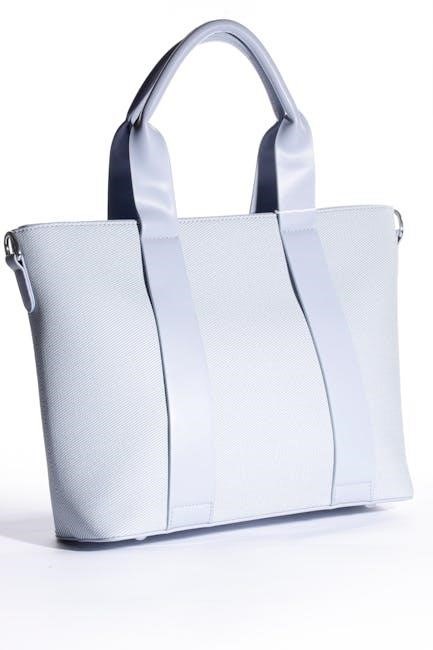
A flat-bottom zippered pouch is a versatile and practical container, distinguished by its ability to stand upright on its own. Unlike simple zippered pouches that lack structure, the flat bottom is achieved through carefully constructed boxed corners during the sewing process. This feature makes it ideal for storing items like cosmetics, pens, small tools, or even crochet projects – anything you want to keep organized and easily accessible.
The pouch consists of fabric panels sewn together with a zipper closure, and the “flat bottom” isn’t simply a wider base. It’s created by folding and stitching the bottom corners in a specific way, forming a gusset. This gusset provides the pouch with depth and stability. They are commonly used as pencil cases, makeup bags, or travel organizers. The flat bottom allows for efficient packing and easy visibility of contents, making it a superior choice to pouches that collapse when set down.
Why Make Your Own? (Benefits & Uses)
Creating your own flat-bottom zippered pouch offers a wealth of benefits beyond simply having a functional container. Firstly, it’s a fantastic opportunity to express your personal style! You have complete control over fabric choices, allowing you to create a pouch that perfectly matches your aesthetic or coordinates with other accessories.
Economically, making your own is often cheaper than purchasing a comparable quality pouch. Plus, you’re reducing consumption and embracing a more sustainable approach. These pouches are incredibly versatile – use them for cosmetics, stationery, travel essentials, knitting/crochet supplies, or even as small gift packaging.
Skill-building is another key advantage. This project is a great way to practice your sewing skills, particularly zipper insertion and precise stitching. The satisfaction of using something you’ve made with your own hands is truly rewarding, and you can customize the size and features to perfectly suit your needs!
Materials & Tools You’ll Need
Gather your supplies! This project requires fabric, a zipper, interfacing, and basic sewing tools for a successful flat-bottom zippered pouch creation.
Fabric Choices (Cotton, Canvas, Vinyl)
Selecting the right fabric is crucial for your flat-bottom zippered pouch. Cotton is a beginner-friendly option, offering a wide range of prints and ease of sewing, though it lacks significant structure. For a more durable pouch, consider canvas; its heavier weight provides excellent stability and resilience, ideal for frequent use. Canvas holds its shape beautifully.
Vinyl presents a unique choice, offering water resistance and a modern aesthetic. However, vinyl can be trickier to sew, requiring a Teflon foot or walking foot to prevent sticking. It’s fantastic for pouches intended for wet items or a sleek look.
Consider the pouch’s intended use when making your selection. Lightweight items pair well with cotton, while heavier contents benefit from canvas or vinyl. Experiment with combinations – a cotton lining within a canvas exterior, for example – to achieve the desired balance of aesthetics and functionality. Don’t forget to account for interfacing to add further structure, regardless of your primary fabric choice!
Zipper Selection (Length & Type)
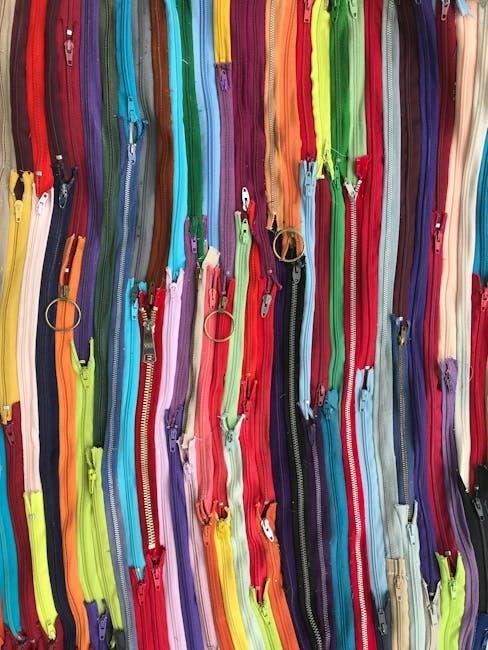
Choosing the correct zipper is vital for a professional-looking flat-bottom pouch. Standard zippers are readily available and suitable for most projects, while invisible zippers offer a cleaner finish, though they require more precise sewing. Consider the zipper’s length carefully; it should be at least as long as the opening of your pouch, and slightly longer is preferable for easier sewing.
For a typical small pouch, a 7-9 inch zipper works well. Metal zippers are incredibly durable, perfect for frequently used pouches, but can be harder to sew through. Nylon coil zippers are more flexible and easier to work with, making them ideal for beginners;
Think about the zipper pull style too! A larger pull is easier to grip, while a more delicate pull adds a refined touch. Always purchase a zipper slightly longer than needed – you can always trim it down, but you can’t add length! Ensure the zipper teeth are consistent and smooth for effortless operation.
Essential Tools: Rotary Cutter, Ruler, Sewing Machine
To successfully create your flat-bottom zippered pouch, having the right tools is paramount. A rotary cutter, along with a quilting ruler (at least 6×24 inches), ensures precise and efficient fabric cutting – far superior to scissors for straight lines! A self-healing cutting mat is crucial to protect your work surface.
Naturally, a sewing machine is essential. A basic machine with a straight stitch and zipper foot will suffice, though more advanced features are always welcome. Iron and ironing board are also vital for pressing seams and achieving a crisp finish.
Don’t forget the smaller necessities: seam ripper (for inevitable mistakes!), fabric marking pen or chalk, pins or clips to hold fabric layers together, and sharp scissors for trimming threads. Investing in quality tools will significantly improve your sewing experience and the final product’s appearance.
Preparing Your Fabric
Accurate fabric preparation is key! We’ll now focus on precisely cutting your chosen materials and applying interfacing for added structure and a professional finish.
Cutting the Fabric Pieces (Dimensions & Quantity)
For our flat-bottom zippered pouch, you’ll need to cut six pieces of fabric. These dimensions are based on a finished pouch size of approximately 8 inches wide, 5 inches high, and 2 inches deep – adjust as needed for your desired size!
You will require:
- Two pieces for the outer fabric: 9 inches x 6 inches
- Two pieces for the lining fabric: 9 inches x 6 inches
- Two pieces for the bottom/gusset fabric: 2.5 inches x 8 inches
Remember to account for seam allowances – we’re using a standard 1/2 inch seam allowance throughout this project. Precise cutting is crucial for a neat finish. Use a rotary cutter, ruler, and cutting mat for the most accurate results. Double-check your measurements before cutting! If using directional fabric, ensure all pieces are cut facing the same way.
Carefully label each piece to avoid confusion during assembly. This simple step will save you time and frustration later on.
Interfacing Application (For Structure)
To give your flat-bottom zippered pouch a professional finish and added structure, interfacing is key! We recommend using a medium-weight fusible interfacing. This will prevent the pouch from sagging and help it maintain its shape, especially with heavier contents.
Cut two pieces of interfacing to the same dimensions as your outer fabric pieces – 9 inches x 6 inches. Do not apply interfacing to the lining fabric or the bottom/gusset pieces; we want those to remain more flexible.
Place the fusible side of the interfacing onto the wrong side of each outer fabric piece. Using an iron set to the appropriate temperature (check your interfacing instructions!), press firmly for several seconds, ensuring the entire surface is adhered. Avoid moving the iron around; lift and press instead to prevent distortion.
Allow the fabric to cool completely before handling. This ensures a strong bond. Properly applied interfacing will significantly enhance the durability and overall quality of your finished pouch;
Constructing the Pouch ー Step-by-Step
Now, let’s bring your pouch to life! We’ll carefully sew the zipper, form the flat bottom, and join the seams for a sturdy build.
Sewing the Zipper to the Fabric Panels
Begin by placing the zipper face down on the right side of one fabric panel, aligning the zipper tape with the top edge of the fabric. Pin securely, ensuring the zipper teeth are centered. Using a zipper foot on your sewing machine, stitch along both sides of the zipper tape, approximately 1/8 inch from the teeth.

Repeat this process with the second fabric panel, attaching it to the opposite side of the zipper. Carefully press the fabric away from the zipper teeth, creating a clean finish. This step is crucial for a professional-looking pouch.
Next, with right sides together, align the remaining fabric edges of the two panels. Pin along the sides and bottom, leaving the bottom open for now. Stitch along these edges with a 1/2 inch seam allowance, reinforcing the corners with backstitching. Remember to remove the pins as you sew!
Creating the Box Corners (For Flat Bottom)
To form the flat bottom, we’ll create boxed corners. Flatten one of the bottom corners, aligning the side seam with the bottom seam to create a triangle. Measure approximately 1.5 inches from the point of the triangle and draw a line perpendicular to the seams. Pin along this line.
Stitch across the pinned line, reinforcing with backstitching at both ends. Repeat this process on the other bottom corner. Trim the excess fabric from the corners, leaving about 1/4 inch seam allowance. This reduces bulk and creates sharper corners.
Carefully turn the pouch right side out, gently pushing out the corners to define the flat bottom. A point turner or chopstick can be helpful for this step. Press the corners firmly to set the shape. These boxed corners provide stability and allow the pouch to stand upright.
Joining the Side & Bottom Seams
Now, with the zipper inserted and the fabric right sides together, begin joining the side and bottom seams. Starting at one side, align the fabric edges and pin securely, ensuring the zipper teeth are free and not caught in the seam. Stitch along the side seam with a 1/4-inch seam allowance, backstitching at the beginning and end for reinforcement.
Continue around the pouch, stitching the bottom seam and then the remaining side seam. Maintain a consistent seam allowance throughout for a neat finish. Pay close attention as you approach the zipper ends, ensuring you stitch close to the zipper tape without actually stitching through the zipper teeth.
Once all seams are stitched, carefully inspect for any gaps or missed spots. Reinforce any weak areas with additional stitching. This creates the basic pouch shape, ready for corner boxing and final finishing touches.
Finishing Touches
Elevate your pouch with final details! Turning, pressing, and topstitching refine the look, while optional additions like keyrings personalize your flat-bottom creation.
Turning & Pressing the Pouch
Congratulations – the bulk of the sewing is complete! Now comes the satisfying part: revealing your beautifully constructed pouch. Carefully turn the pouch right side out through the open zipper end. A point turner, or a chopstick carefully used, can be incredibly helpful for gently pushing out the corners to create a crisp, flat bottom. Avoid using anything too sharp that could potentially damage the zipper or fabric.
Once fully turned, it’s time to press. Use a low to medium heat setting appropriate for your chosen fabric. Pressing is crucial for a professional finish. Start by pressing the seams flat, then carefully press the top edge of the pouch, ensuring the zipper lies neatly. Pay special attention to the box corners, pressing them firmly to maintain their shape. A well-pressed pouch not only looks better but also lays flatter and is more durable. Take your time with this step; it truly makes a difference!
Pro Tip: Use a pressing cloth to protect delicate fabrics or vinyl from direct heat.
Topstitching for Durability & Appearance
Topstitching isn’t just about aesthetics; it significantly enhances the pouch’s durability, especially around the zipper and corners, which experience the most stress. Select a thread color that complements or contrasts with your fabric for a desired visual effect. A slightly heavier weight thread is recommended for added strength.
Begin by topstitching around the top edge of the pouch, approximately 1/8 inch from the edge. Maintain a consistent stitch length and guide the fabric carefully to ensure a straight, even line. Next, topstitch along the sides and bottom of the pouch, reinforcing the seams. For the box corners, topstitch close to the corner to secure the flat bottom shape.
Consider adding decorative topstitching patterns for a unique touch! Double-needle topstitching provides an extra robust and visually appealing finish. Remember to backstitch at the beginning and end of each seam to prevent unraveling. This final step elevates your pouch from handmade to professionally finished.
Adding a Keyring or Strap (Optional)
Personalize your flat-bottom zippered pouch with a keyring or strap for added functionality! A keyring is ideal for attaching to keys or bags, while a strap transforms the pouch into a convenient wristlet or crossbody bag. To attach a keyring, reinforce a small section of fabric on the pouch’s side seam – a small square of interfacing helps. Securely sew the keyring hardware through this reinforced area.
For a strap, determine your desired length and attachment points. Create fabric loops or use D-rings. Attach these securely to the pouch’s sides using multiple rows of stitching for strength. Consider using a swivel clasp for the strap to prevent twisting.
Experiment with different strap materials like webbing, leather, or coordinating fabric. Ensure all attachments are robustly sewn to withstand regular use. This final customization step makes your pouch uniquely yours and perfectly suited to your needs!