Understanding Lost THC Vape Pens
THC vape pens offer a discreet consumption method for marijuana products, utilizing atomized cannabis oil inhaled through a mouthpiece for desired effects․
What is a THC Vape Pen?
A THC vape pen is a portable device designed for vaporizing tetrahydrocannabinol (THC), the psychoactive compound found in cannabis․ These pens typically consist of a battery, a heating element, and a cartridge containing THC oil․ Unlike traditional smoking, vaping heats the oil to a temperature that creates vapor, which is then inhaled․
Vape pens offer a discreet and convenient way to consume cannabis․ They come in various forms, including disposable and rechargeable options; The process involves inhaling for a few seconds, often utilizing an auto-draw function or pressing a button, to activate the heating element and produce vapor․ Small, controlled puffs are generally recommended for optimal results, ensuring the particles reach the lungs effectively․
The devices are popular due to their ease of use and portability, allowing for on-the-go consumption․
Types of THC Vape Pens (Disposable vs․ Rechargeable)
THC vape pens broadly fall into two categories: disposable and rechargeable․ Disposable pens are pre-filled, all-in-one units designed for single use․ They are ideal for beginners or those seeking convenience, requiring no charging or refilling․ Once the oil is depleted, the entire pen is discarded․
Rechargeable pens, conversely, feature a reusable battery that can be charged via USB․ These pens require separate cartridges that are screwed onto the battery․ This option is more cost-effective and environmentally friendly in the long run, as only the cartridge needs replacing․ Battery life can be substantial, potentially lasting weeks on a single charge with moderate use․
Some rechargeable pens even offer adjustable heat settings, allowing users to customize their vaping experience․ Both types provide a discreet and efficient method for consuming THC․

Troubleshooting a Non-Functional Vape Pen
If your THC vape pen isn’t working, common issues include battery problems or connection failures between the battery and the cartridge itself․
Battery Issues: The Most Common Problem
Battery issues frequently cause vape pen malfunctions, as they power the heating element that vaporizes the THC oil․ A depleted battery is the simplest fix; utilize a USB charger to restore power, potentially lasting weeks with moderate use․
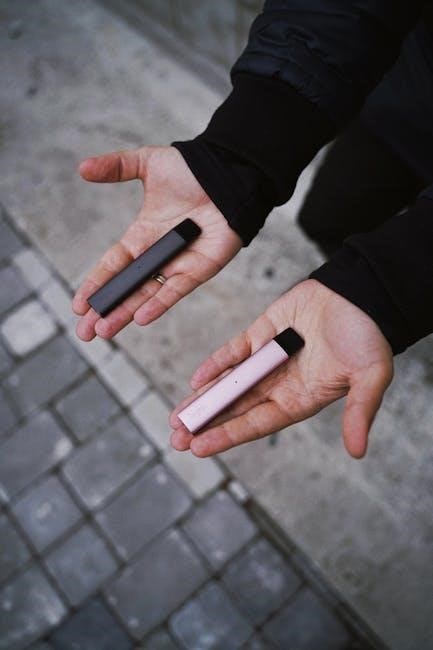
However, problems extend beyond simple discharge․ Internal battery failures can occur, rendering the pen unusable even after charging․ Inspect for physical damage, and if present, discontinue use immediately for safety․
Some pens feature adjustable heat settings, controlled by a knob; keeping it on the lowest setting can conserve battery life․ A light indicator usually confirms the unit is powered on, but a lack of illumination signals a potential battery problem requiring further investigation or replacement․
Identifying a Dead Battery
Identifying a dead battery involves several key observations․ The most obvious sign is the vape pen failing to power on, even after a prolonged charging period․ The indicator light, which typically illuminates during use or charging, will remain dark․
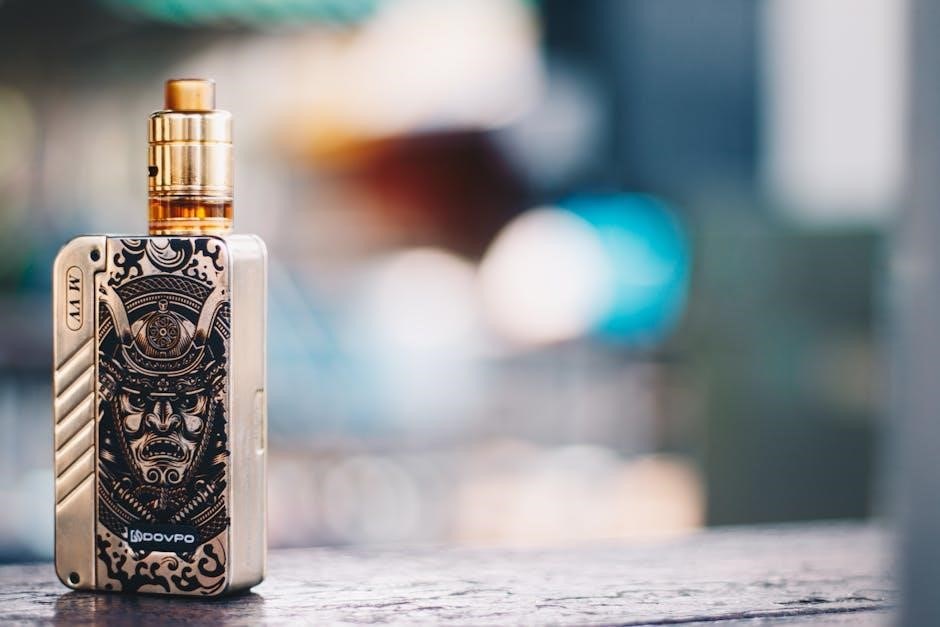
Attempting to activate the pen – either through a button press or auto-draw inhalation – will yield no vapor production․ If the battery feels unusually light, it could indicate internal damage or complete discharge․
Visually inspect the battery casing for any signs of swelling, leakage, or physical damage․ A compromised battery poses a safety risk and should not be used․ If these signs are present, proper disposal is crucial; do not attempt to recharge or reuse a damaged battery․
Charging Your Vape Pen: Correct Methods
Charging your vape pen correctly extends battery life and ensures optimal performance․ Most CBD vape pens utilize a standard USB charger, connecting to the battery section․ A full charge can last for several weeks with moderate use, unless left unused post-session․
Always use the charger specifically designed for your device, avoiding generic or fast-charging alternatives which can damage the battery․ During charging, observe the indicator light; it typically changes color to signal completion․
Avoid overcharging, as this degrades battery health․ Once fully charged, disconnect the pen promptly․ Never charge a damaged or leaking battery, and always charge in a well-ventilated area, away from flammable materials․
Checking the Connection Between Battery and Cartridge
A loose connection between the battery and cartridge is a frequent cause of vape pen malfunctions․ Ensure the cartridge is securely threaded into the battery, but avoid over-tightening, which can cause damage․ Gently but firmly screw the cartridge in until it feels snug and stable․
Inspect the threading on both the battery and cartridge for any debris or damage․ Clean the threads carefully with a cotton swab dipped in isopropyl alcohol if necessary, ensuring it’s completely dry before reconnecting․
If the connection still seems unstable, try a different cartridge to rule out a faulty cartridge․ A solid connection is crucial for proper heating and vapor production, guaranteeing a consistent vaping experience․

Addressing Common Usage Problems
Inhale gently for 2-3 seconds, avoiding harsh draws; auto-draw pens activate simply by inhaling through the mouthpiece for optimal vapor․
Inhalation Techniques for Optimal Vapor Production
Achieving the best experience with your THC vape pen hinges on mastering proper inhalation techniques․ Avoid forceful, deep inhales, as these often don’t yield better results and can be harsh on your throat․ Instead, focus on slow, controlled draws lasting approximately two to three seconds․
For vape pens utilizing the auto-draw function, simply bring your lips to the mouthpiece and inhale naturally – no buttons are needed! With pens that require activation, a quick press of the button during inhalation is key․ Remember to pull in a small amount of clear air at the end of each puff; this helps ensure all the vaporized particles reach your lungs effectively․
Experimenting with different draw speeds and durations can help you discover what works best for your individual pen and preferences․ Small hits generally provide a smoother, more flavorful experience․
The Auto-Draw Function: How it Works
Many modern THC vape pens feature an auto-draw function, simplifying the vaping process significantly․ This technology eliminates the need for buttons; the pen activates automatically when you inhale․ Inside the pen, a pressure sensor detects the airflow created by your draw․
When airflow is detected, the sensor signals the battery to heat the atomizer, vaporizing the THC oil․ This happens instantaneously, delivering vapor directly to the mouthpiece; To use an auto-draw pen, simply place the mouthpiece to your lips and inhale as you would with a traditional cigarette․
The system is designed for convenience, but it’s important to ensure a good seal between your lips and the mouthpiece for reliable activation․ Consistent, gentle inhales typically work best with auto-draw devices․
Adjusting Heat Settings (If Applicable)
Not all THC vape pens offer adjustable heat settings, but those that do provide a customizable vaping experience․ Typically, these pens feature a small button, often on the bottom, that cycles through different temperature levels․ Lower settings generally produce milder vapor and preserve more nuanced flavors․
Higher settings create thicker, more potent vapor, but can sometimes result in a slightly harsher taste․ Keep it on the lowest setting initially to gauge your preference and avoid overheating the oil․ Experimenting with different temperatures allows you to find the sweet spot that balances flavor and vapor density․
Always start low and gradually increase the heat until you achieve your desired effect․ Be mindful that higher temperatures may consume the oil more quickly․

Cartridge Related Issues
Cartridges can experience clogging, air bubbles, or leaking, impacting functionality; addressing these promptly ensures optimal performance and safe handling of the cannabis oil․
Clogged Cartridge: Causes and Solutions
A clogged cartridge significantly hinders vapor production, stemming from several factors like thick oil viscosity, air bubbles obstructing the flow, or residue buildup within the cartridge’s internal components․ To resolve this, gently warming the cartridge – avoiding excessive heat – can reduce viscosity and dislodge the clog․
Briefly holding the cartridge between your palms or using a hair dryer on a low setting (for a few seconds) can be effective․ Another technique involves carefully drawing air through the mouthpiece while gently tapping the cartridge’s side․
If these methods fail, consider unscrewing the cartridge from the battery and inspecting the central post for obstructions; use a clean, thin tool cautiously․ Regularly cleaning the connection point between the cartridge and battery can also prevent future clogging․ Remember, prevention is key – storing your vape pen correctly and using quality cartridges minimizes clogging risks․
Air Bubble in Cartridge: How to Resolve
Air bubbles within a THC vape cartridge are a common occurrence, often appearing after significant use or due to temperature fluctuations․ While generally harmless, they can interrupt vapor flow and reduce the efficiency of your vaping experience․ To resolve this, gently warming the cartridge can help relocate the oil and diminish the bubble’s size․
Holding the cartridge between your palms or briefly using a low-heat hair dryer setting can be effective․ Another method involves gently tapping the cartridge against a soft surface, encouraging the oil to settle․
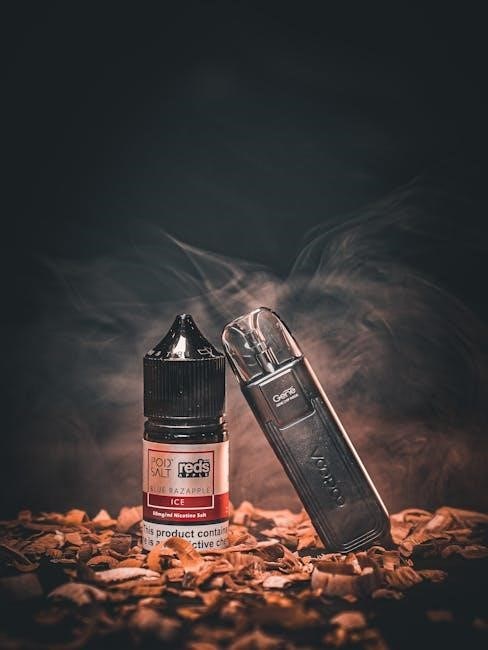
Drawing slowly and steadily from the mouthpiece, rather than short, forceful puffs, can also help draw the oil past the bubble․ Avoid excessive force, as this could damage the cartridge․ Consistent, moderate vaping usually resolves minor air bubble issues over time․

Leaking Cartridge: Safety and Handling
Leakage from a THC vape cartridge requires immediate attention due to the potent and sticky nature of cannabis oil․ If you detect a leak, carefully wipe away any oil with a clean cloth, avoiding contact with skin and surfaces․ Leaks often occur due to improper sealing or damage to the cartridge․
Store the leaking cartridge upright and securely sealed in a plastic bag to contain any further spillage․ Avoid applying excessive pressure or force to the cartridge, as this can worsen the leak․
Dispose of the leaking cartridge responsibly, following local regulations for vape pen disposal․ Always handle the cartridge with care, and wash your hands thoroughly after contact․ A leaking cartridge indicates a potential defect; consider sourcing cartridges from reputable vendors․

Safety Precautions
Avoid counterfeit vape pens and ensure responsible consumption, storing your THC vape pen securely to prevent accidental use or access by others․
Proper Storage of THC Vape Pens
Storing your THC vape pen correctly is crucial for maintaining its functionality and ensuring safety․ Keep the pen in a cool, dark place, away from direct sunlight and extreme temperatures, as heat can degrade the oil and affect battery performance․
A secure location, inaccessible to children and pets, is paramount․ Consider a locked cabinet or container․ When not in use, especially during travel, prevent the pen from rolling or being damaged by storing it upright in a protective case․
Avoid leaving the pen in a car, as temperature fluctuations can be significant․ Proper storage extends the lifespan of both the battery and the cartridge, preserving the quality of the THC oil and minimizing potential hazards․
Avoiding Counterfeit Vape Pens
The market is unfortunately flooded with counterfeit THC vape pens, posing significant health and safety risks․ Always purchase from licensed dispensaries or reputable retailers to guarantee product authenticity․ Be wary of unusually low prices, as they often indicate a fake product․
Examine the packaging carefully for misspellings, poor print quality, or missing information․ Genuine products typically have clear labeling with cannabinoid content and manufacturer details․ Check for proper certification and lab testing results, often available via QR codes․
If something seems off, trust your instincts․ Counterfeit pens may contain harmful substances or diluted oils․ Prioritize your well-being by choosing verified sources and avoiding suspicious deals – your health depends on it!
Responsible Consumption
Responsible THC vape pen use is paramount for a safe and enjoyable experience․ Begin with small puffs, especially if you are new to vaping or THC, to gauge your tolerance․ Avoid excessive inhalation, as small hits typically provide the best results and minimize potential adverse effects․
Never operate machinery or drive under the influence of THC․ Be mindful of your surroundings and avoid public consumption where it is prohibited․ Store vape pens securely, out of reach of children and pets, to prevent accidental ingestion․
Understand the potential effects of THC and consume responsibly, respecting local laws and regulations․ Prioritize your health and well-being by practicing moderation and informed decision-making․

Disposal of Vape Pens
Proper vape pen disposal considers environmental impact and local regulations; never simply discard them with regular trash due to hazardous components․
Environmental Considerations
Vape pen disposal presents significant environmental challenges due to the complex mix of materials within these devices․ Batteries, containing lithium-ion, pose a fire risk in landfills and require specialized recycling․ The plastic casings and electronic components contribute to plastic pollution and electronic waste, impacting ecosystems and human health;
Improper disposal can leach harmful chemicals into the soil and groundwater, contaminating vital resources․ Therefore, responsible consumers should actively seek out dedicated vape recycling programs or hazardous waste collection sites․ Many communities now offer specific drop-off locations for electronic waste, ensuring these devices are processed safely and sustainably․
Prioritizing recycling minimizes environmental harm and promotes a circular economy, recovering valuable materials for reuse․ Choosing disposable pens less frequently and opting for rechargeable options can also reduce overall waste generation․
Local Regulations for Vape Pen Disposal
Vape pen disposal regulations vary significantly by location, ranging from strict guidelines to limited options․ Many municipalities classify vape pens as hazardous waste due to their lithium-ion batteries and electronic components, prohibiting disposal in regular trash bins․
Check with your local waste management authority to determine specific requirements in your area․ Some cities offer designated drop-off events for hazardous waste, including vape devices․ Others may have partnerships with retailers to provide collection points․ Ignoring these regulations can result in fines or contribute to environmental damage․
Certain states have implemented “producer responsibility” laws, requiring manufacturers to fund recycling programs․ Researching local ordinances ensures compliance and promotes responsible disposal practices, safeguarding both public health and the environment․